Walking through the grand archways of Shri Aadya Katyayani Shakti Peeth, commonly known as the Chhatarpur Temple, feels like stepping into a silent marble oasis. Located in South Delhi, this sprawling 70-acre complex is the second-largest temple in India, bypassed only by Akshardham. As the sun rises, casting a warm amber glow over the pristine white marble surfaces, the chaotic hum of Delhi's arterial roads disappears, replaced by the soft ringing of bells and the scent of fresh marigolds.
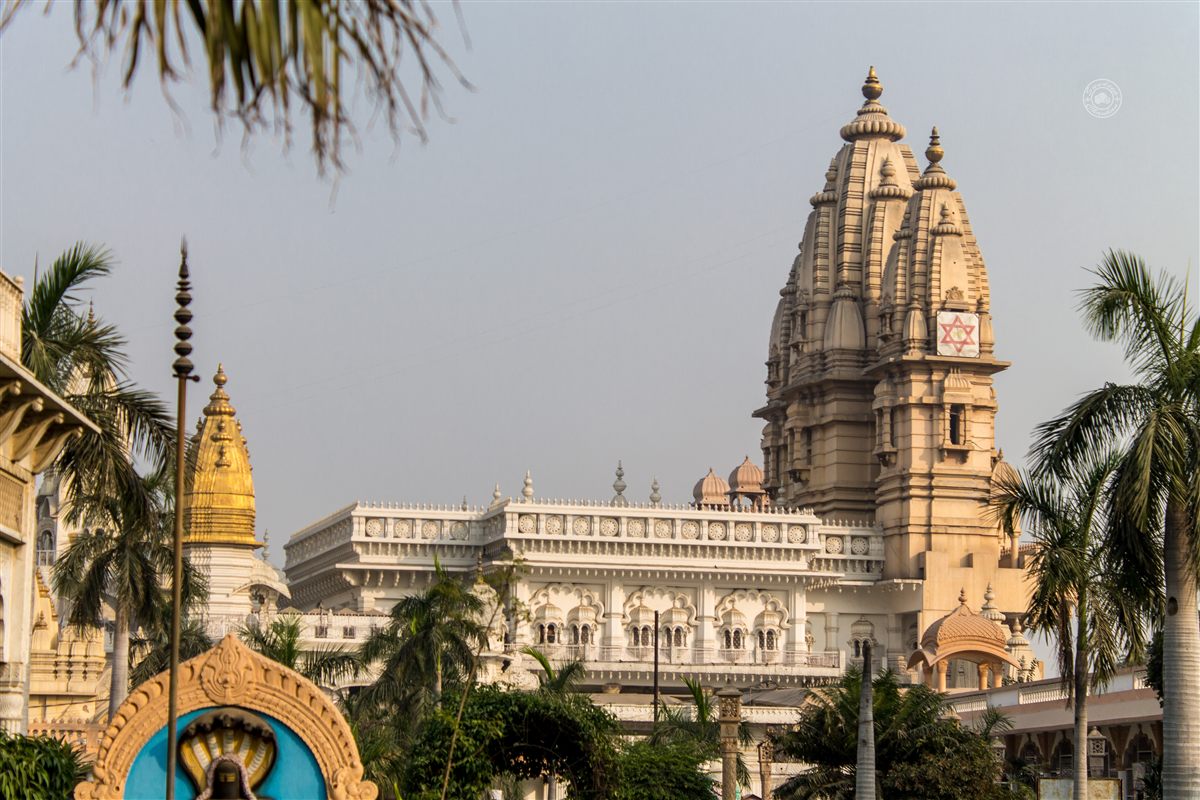
Architectural Harmony: Nagara Meets Dravidian
The temple's defining feature is its stunning fusion of architectural styles. Unlike traditional North Indian temples that adhere strictly to the Nagara style, Chhatarpur is a beautiful marriage of Nagara and Dravidian architectures. You will find Chola-style tiered spires (gopurams) sitting side by side with high Nagara shikharas. The entire structure is crafted from high-quality marble, adorned with intricate stone jaali (perforated screen) work that filters the harsh Indian sunlight into delicate, geometric shadows.
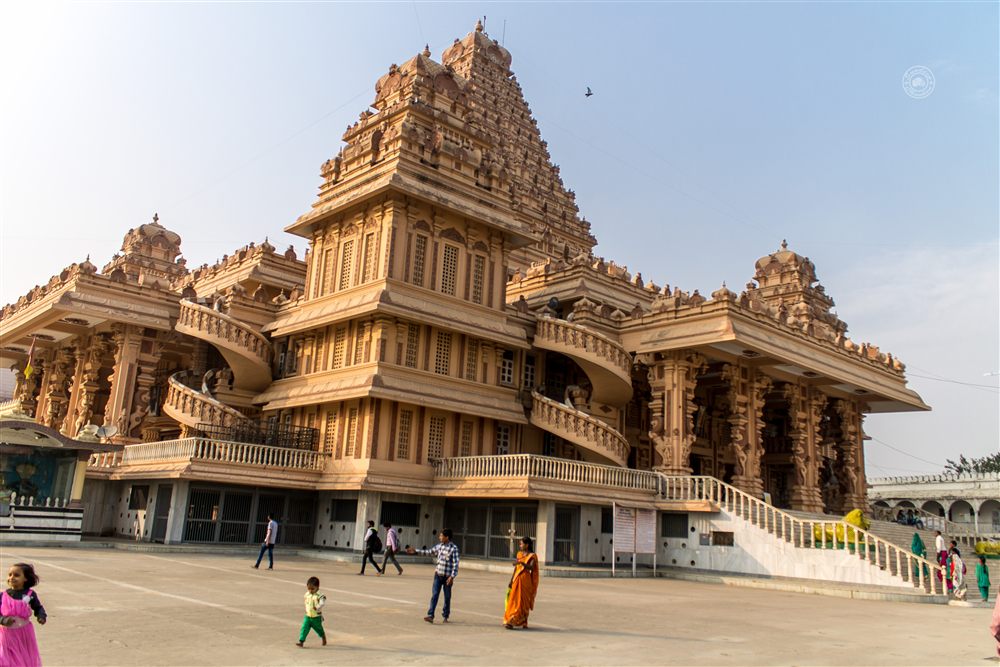
"A sacred sanctuary where the architectural boundaries of North and South India dissolve into white marble symmetry."
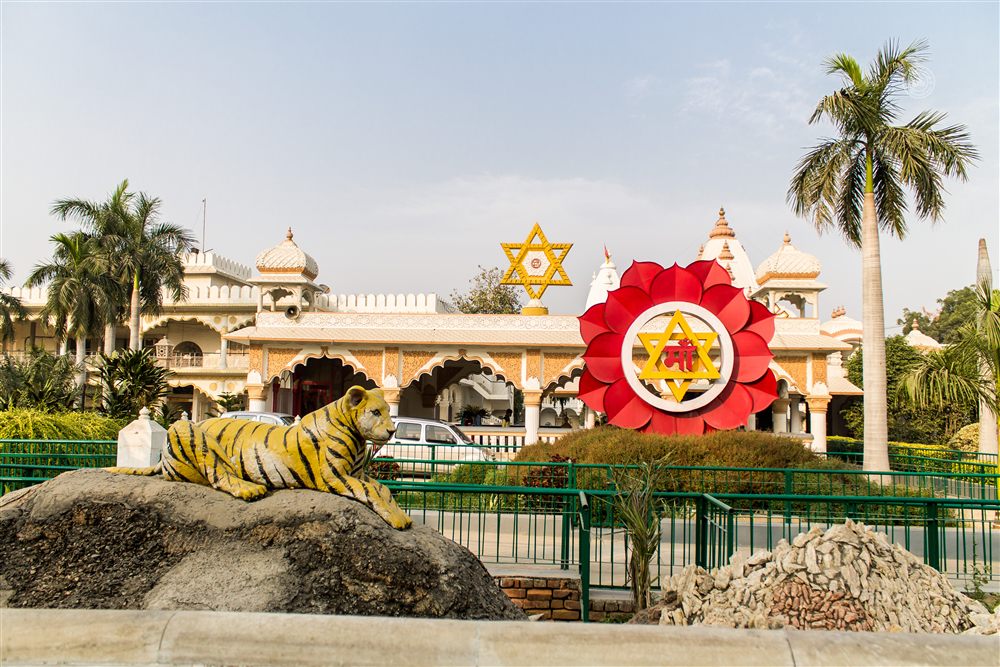
Baba Sant Nagpal and the Birth of a Sanctuary
In 1974, this entire area was a barren, shrub-covered wasteland. It was the visionary saint Baba Sant Nagpal Ji who envisioned a sacred sanctuary here. Guided by his devotion to Goddess Katyayani, the sixth avatar of Durga, he began building the temple with the help of devotees. Baba Nagpal was deeply involved in every stone and brick laid, often carrying building materials himself. Today, his samadhi shrine inside the Shiv-Gauri Nageshwar Mandir stands as a peaceful monument to his lifelong labor.
Sculptures in the Garden and Folklore in Stone
As a photographer, what draws me to Chhatarpur are the candid moments and details tucked away in its manicured gardens. Giant concrete installations bring ancient folklore to life. One of the most striking is the sculpture of a grand elephant wrapped in a massive serpent, locked in a dramatic struggle under the shade of a sacred tree.
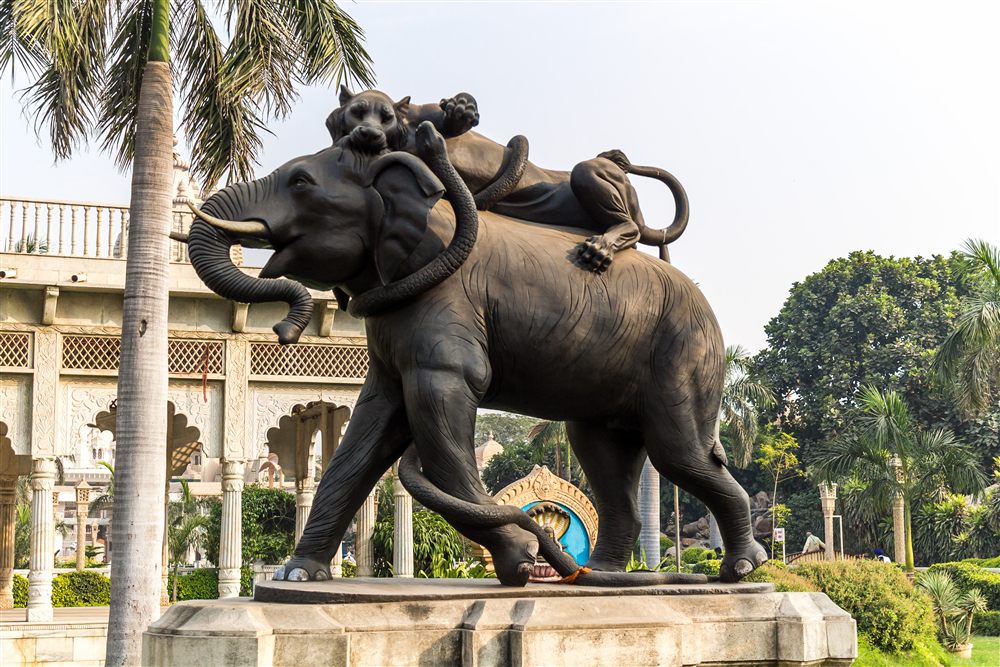
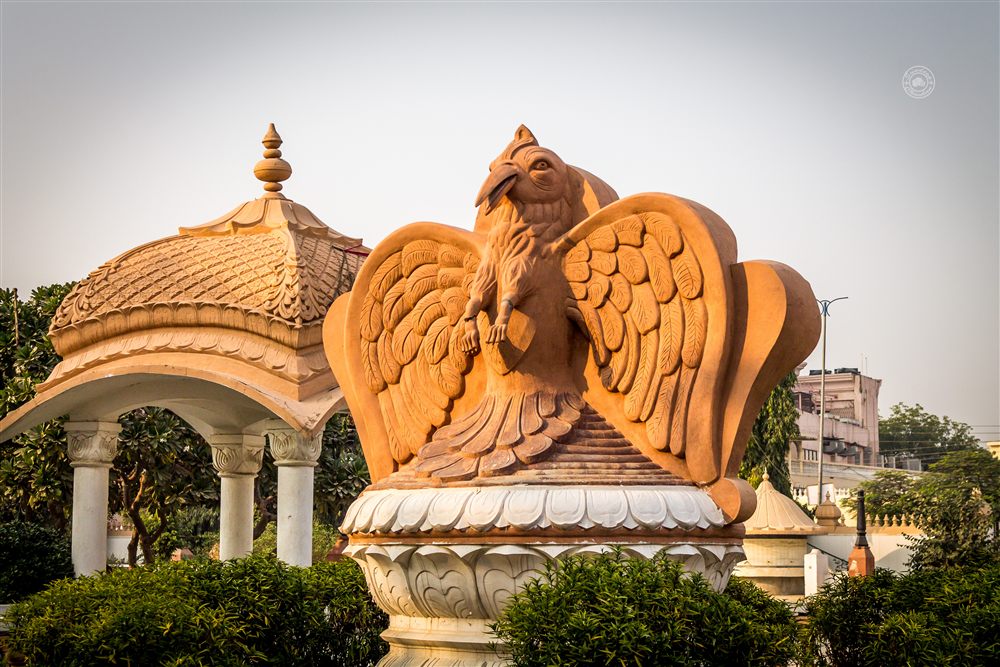
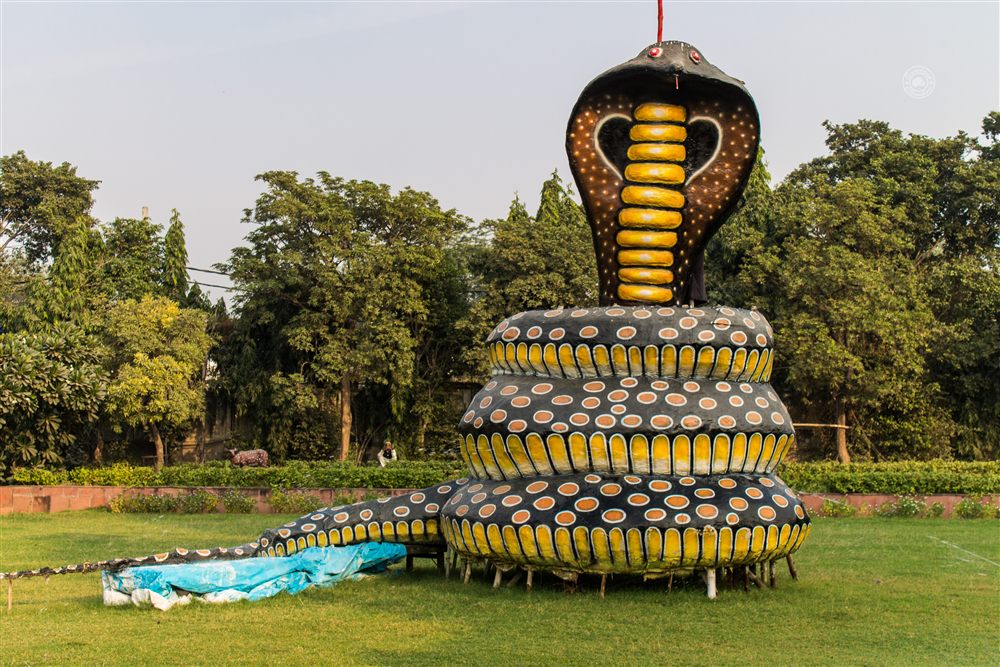
A short distance away, a large painted cobra/serpent installation emerges from the grass field, adding a touch of mythology to the manicured landscapes. Nearby, a beautifully carved statue of Garuda—the divine avian vehicle—sits on a lotus pedestal, his stone feathers catching the warm, golden light of the late afternoon.
- Location: South Delhi, adjacent to Chhatarpur Metro Station (~20 km from Central Delhi).
- Best Time: Late afternoons in winter (October to March) for soft light, or during Navratri when the entire complex is illuminated by thousands of lights.
- Focal Choice: A wide-angle lens (16-35mm equivalent) is essential to capture the massive shikharas and courtyard layouts, while a fast prime (50mm f/1.8) helps isolate the marble jaali details and garden sculptures.