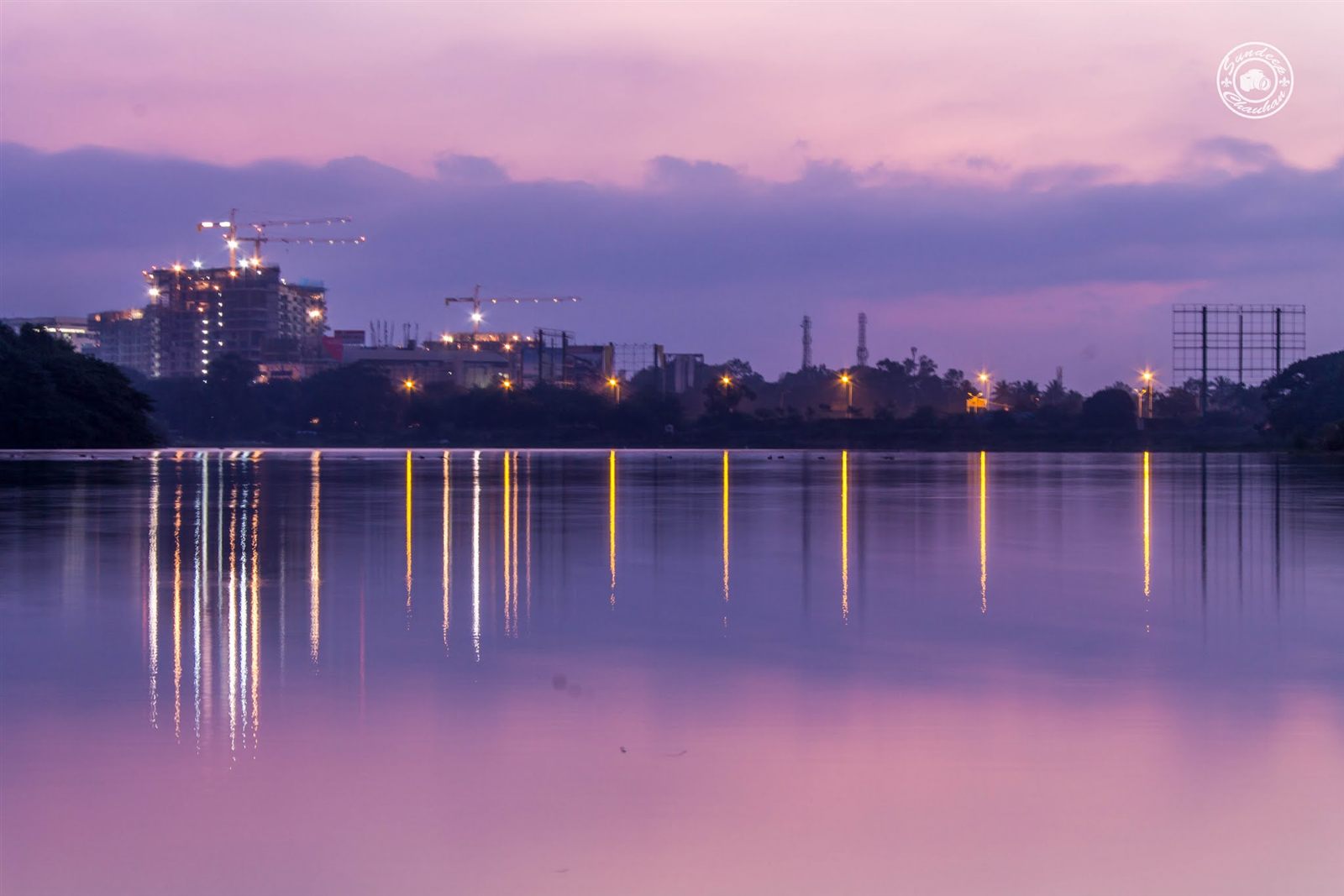
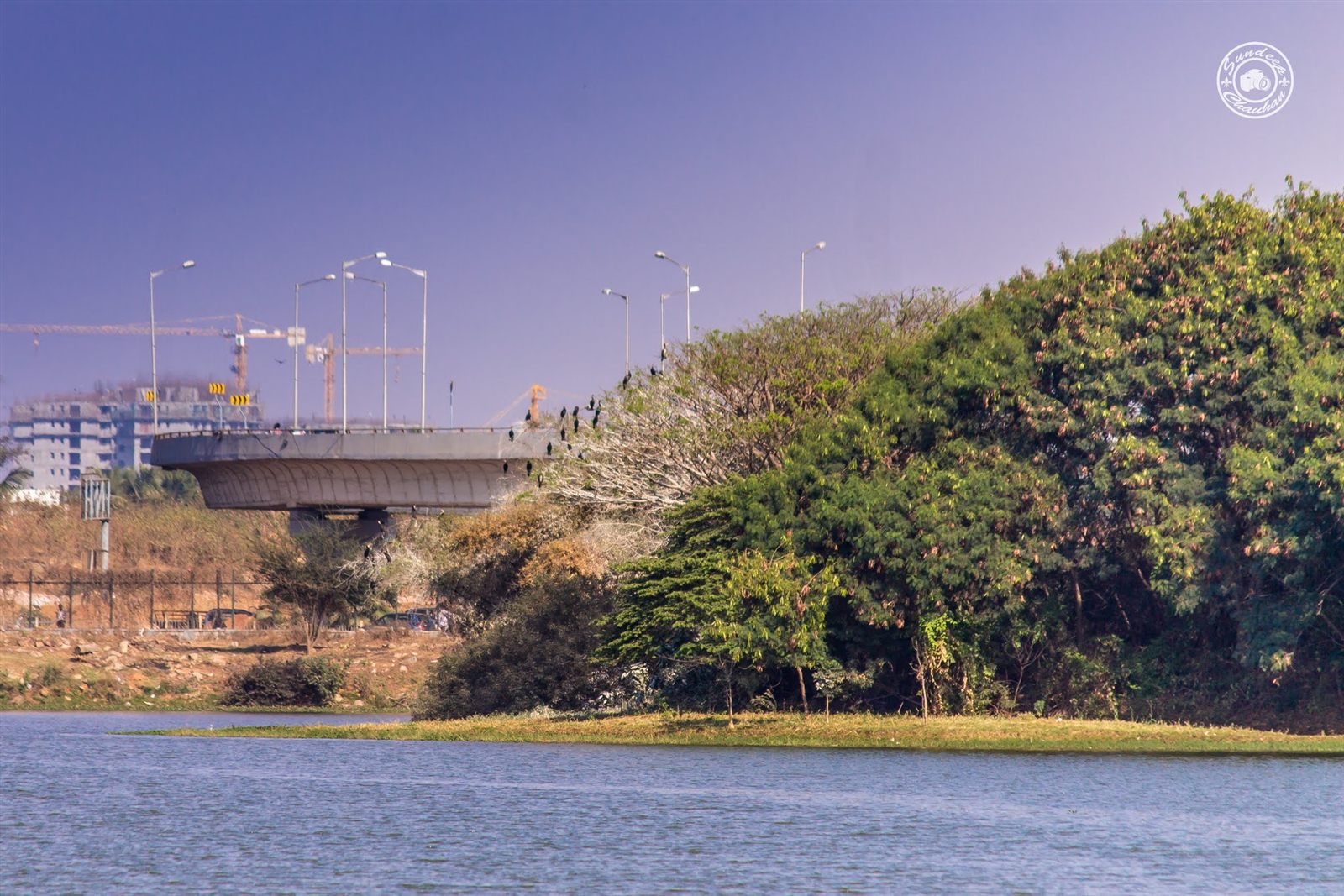
It opens at 5:00 AM. Every day. That single fact — Hebbal Lake opening before the city wakes — is what makes it my most-visited spot in Bangalore. I have lost count of the number of times I have parked my car in the dark, slung the Canon over my shoulder, and walked toward that water just as the sky begins to bruise purple above the Outer Ring Road flyover.
In a city that was once called the Garden City of India — a title it is rapidly losing to concrete and traffic — Hebbal Lake remains one of the last places where you can photograph pure light in the first hours of morning. And this 150-acre lake has been doing this for a very long time.
A Lake Born in 1537
Hebbal Lake is one of three major lakes commissioned by Kempe Gowda I, the founder of Bengaluru, in 1537. The name itself is Kannada: Hebba (big/large) + Halla (deep). It sits at the junction of Bellary Road and the Outer Ring Road in the north of the city — one of Bangalore's busiest corridors — and yet, from the lake bank at first light, the city almost disappears.
An 8th-century inscription found in nearby Bhoopasandra suggests the broader area had water management systems more than 1,200 years ago. Kempe Gowda's 16th-century engineering formalized what the land already wanted to do: hold water, sustain life, and offer the city an ecological lung.
- ~150 acres — one of Bangalore's larger urban wetlands
- Built in 1537 by Kempe Gowda I, founder of Bengaluru
- At the junction of Bellary Road and Outer Ring Road, North Bangalore
- Over 70 species of water birds — 40 of them migratory
- Opens daily at 5:00 AM — best golden hour in the city
- Peak birding season: October–March (migratory arrivals)
Where the Birds Come
The two artificial islands created during the lake's late-1990s restoration have become one of the city's most remarkable wildlife sanctuaries. Over 70 species of water birds use Hebbal Lake as a habitat — and roughly 40 of these are migratory, arriving from the Himalayas, Central Asia, Siberia, and even Europe every October through March.
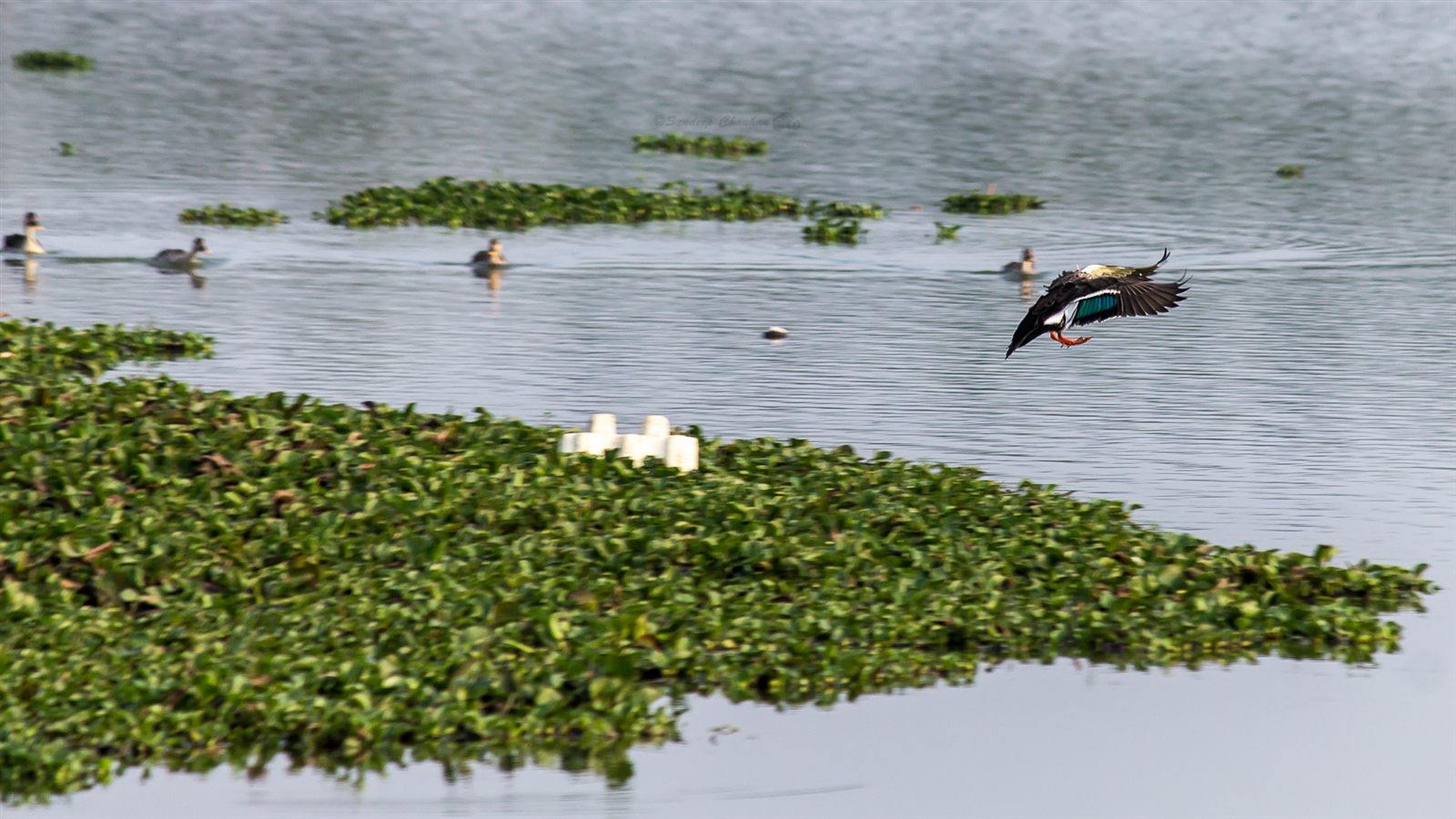
On any given early morning, you might spot Spot-billed Pelicans drifting like fishing boats, Eurasian Spoonbills sweeping the shallows, Purple Herons standing motionless in reeds, or a Little Grebe diving and vanishing for an uncomfortably long time. During winter, Bar-headed Geese, Garganeys, and Pintails join the resident population. The lake is alive in a way that is hard to describe in a city of twelve million people.
The Lake as a Photography School
I call Hebbal my classroom. It opens at 5 AM because it is the only time the light is still honest. The first forty-five minutes after you arrive — when the sky shifts from indigo to violet to pink to gold — is a masterclass in how ambient light changes colour temperature in real time. You learn what your camera's white balance really means when you are chasing the transition from tungsten streetlights reflecting off still water to the warm side-light of the rising sun cutting across the wetland reeds.
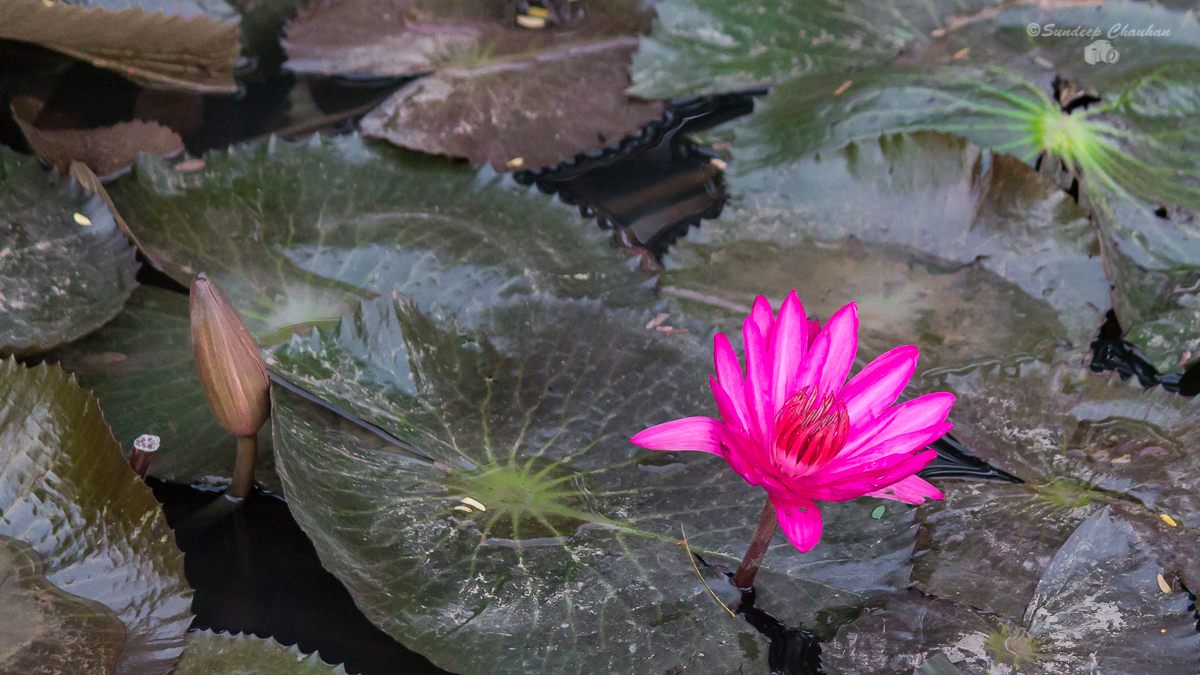
The urban backdrop is part of what makes Hebbal so visually compelling. Within the same frame you can hold a heron hunting in the shallows and a half-built high-rise behind it. The tension between the ancient and the rapidly new is Bangalore in one photograph. I have composed that shot dozens of times and never quite gotten tired of it.
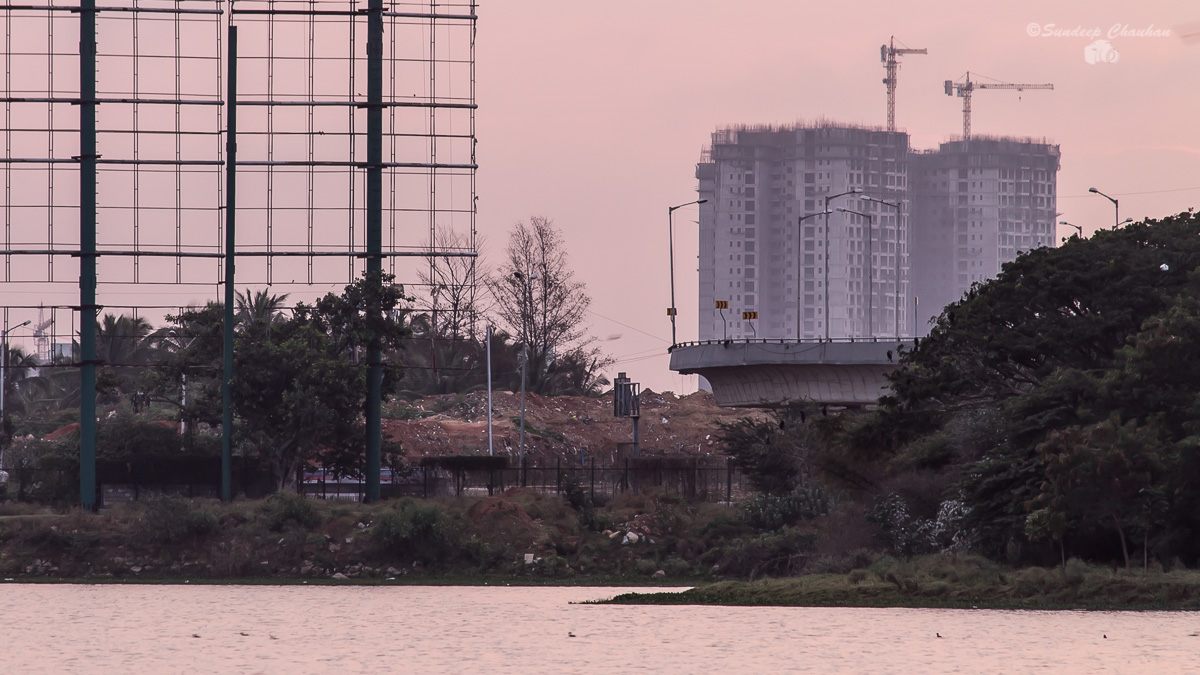
Life on the Margins
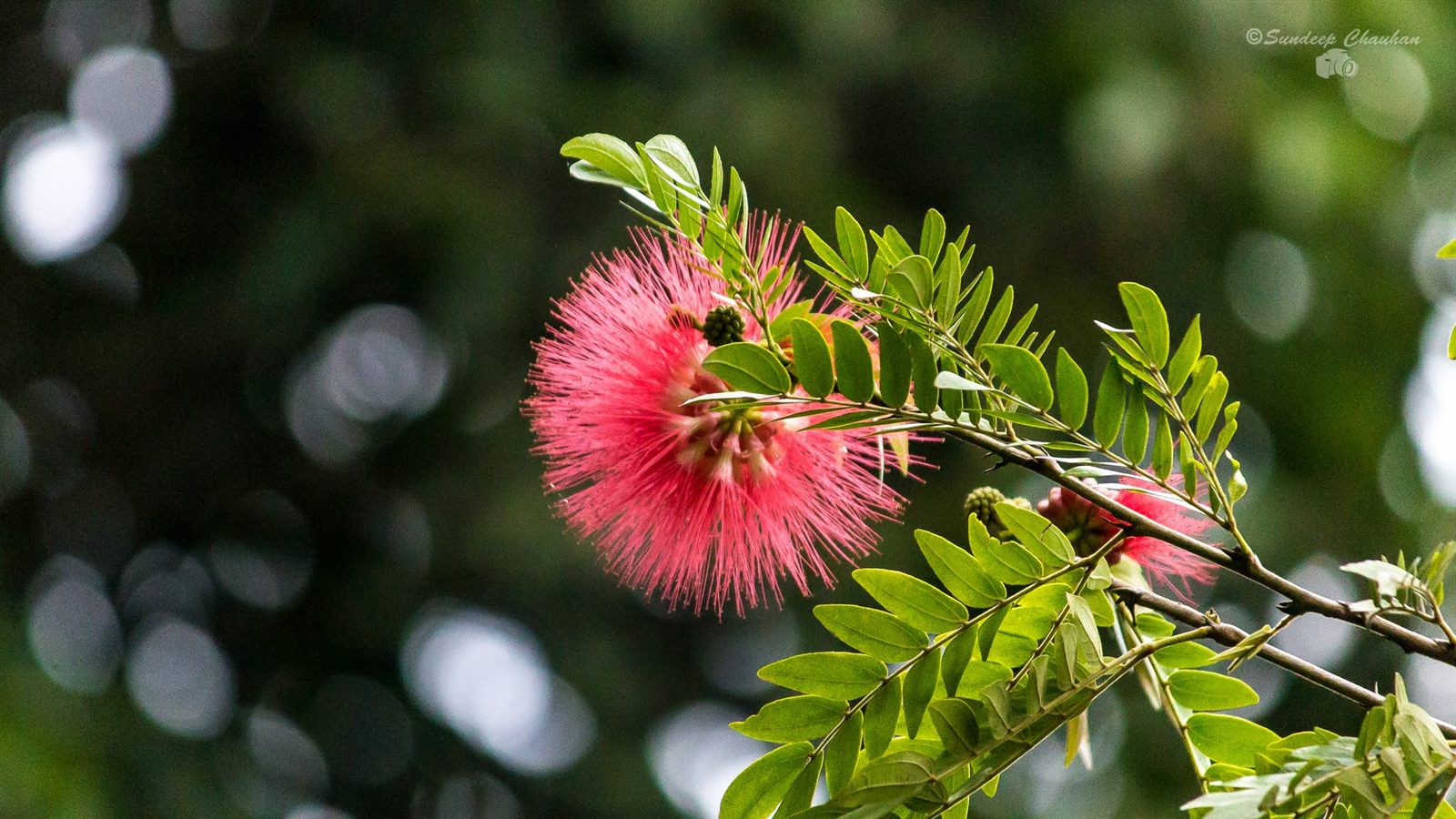
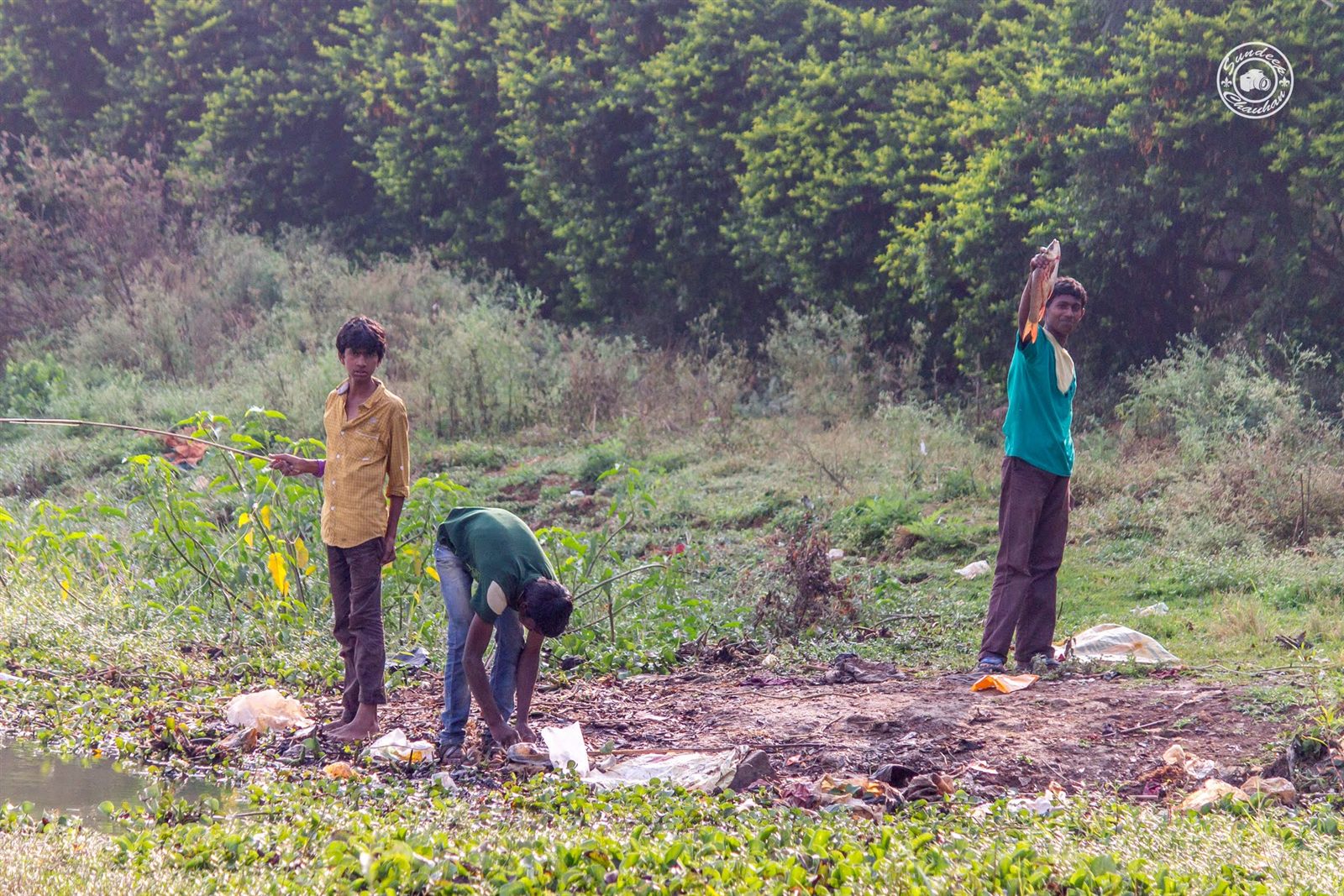
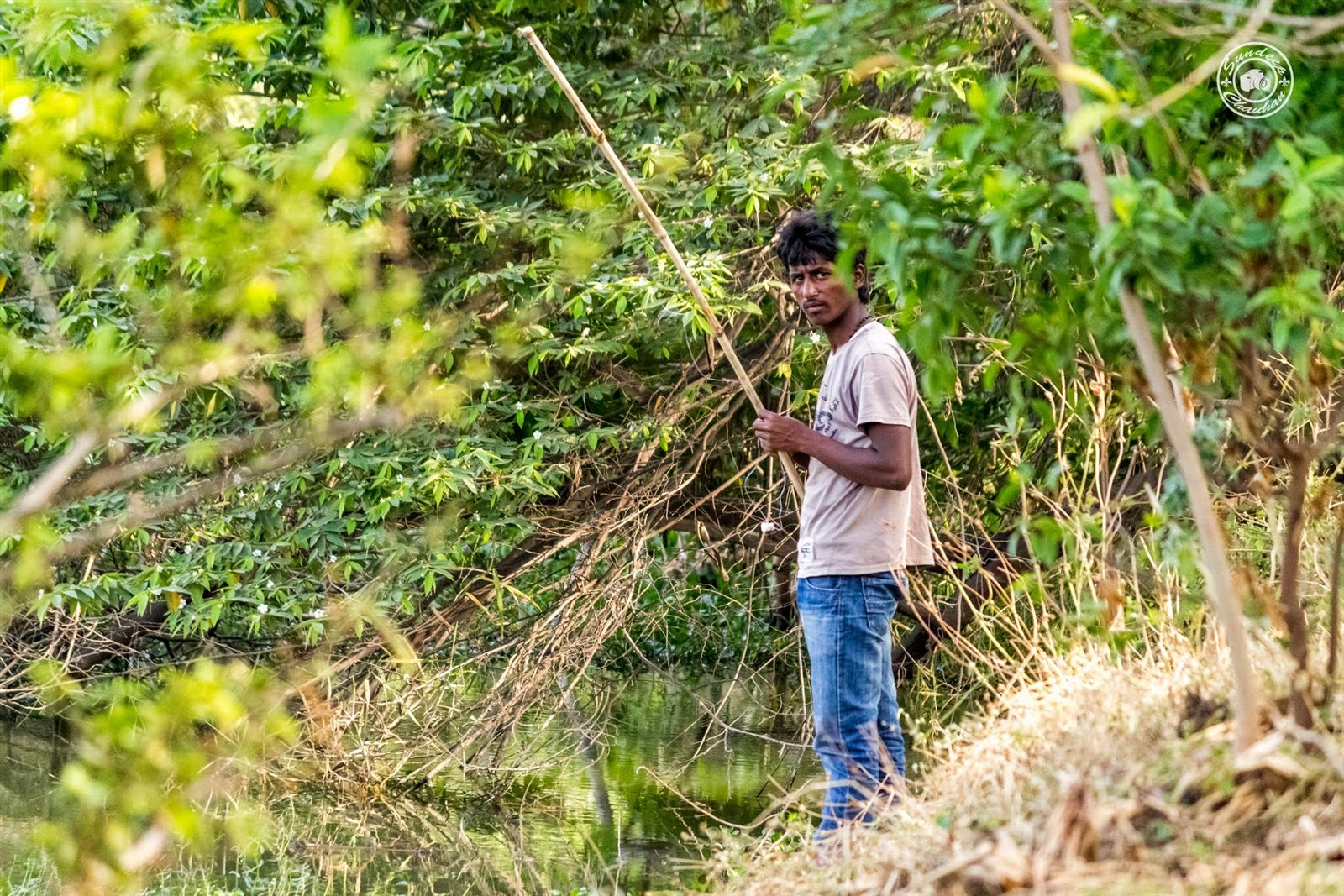
It is not just birds that make Hebbal worth the early alarm. The lake margins are home to squirrels, monitor lizards occasionally reported by regular visitors, flowering trees, and the daily rhythm of local fishermen who work the edges before the joggers arrive. I have had conversations with these fishermen — men who know which parts of the lake still hold fish, who could tell you more about the lake's health than any government report.
"Come at 5 AM. Stay for three hours. In those three hours you will understand what it means to chase light — not follow it, but chase it, because it never stops moving."
A Wetland Under Pressure
Hebbal Lake is not without its struggles. Decades of untreated sewage inflow, industrial discharge, and urban encroachment have caused serious eutrophication — the nutrient overload that fuels invasive water hyacinth and chokes native flora. The lake has undergone multiple restoration cycles, including desilting operations, wetland filtration systems, and sewage diversion projects. As of 2026, the Greater Bengaluru Authority has ongoing rejuvenation efforts underway. The lake survives — but it needs protecting.
When I photograph here, I am also documenting: here is what this lake looks like now, in this light, with these birds and this skyline. That record matters. My Life. My View. My Way.