The word Dargah (from Persian) represents a Sufi shrine built over a saint’s grave — a portal of divine blessings (barakah) open to all. Conversely, a Samadh is a Hindu memorial commemorating where a yogi attained Samadhi — the highest meditative state of cosmic union — and consciously departed their physical body (Mahasamadhi).
In my birthplace, the village of Lishri in the fertile Doab region of Uttar Pradesh, these two distinct traditions merge into one at the Dargai Shah Baba Ashram. Returning in 2012 with a simple compact camera, I sought to capture this rare sanctuary where my own roots began.
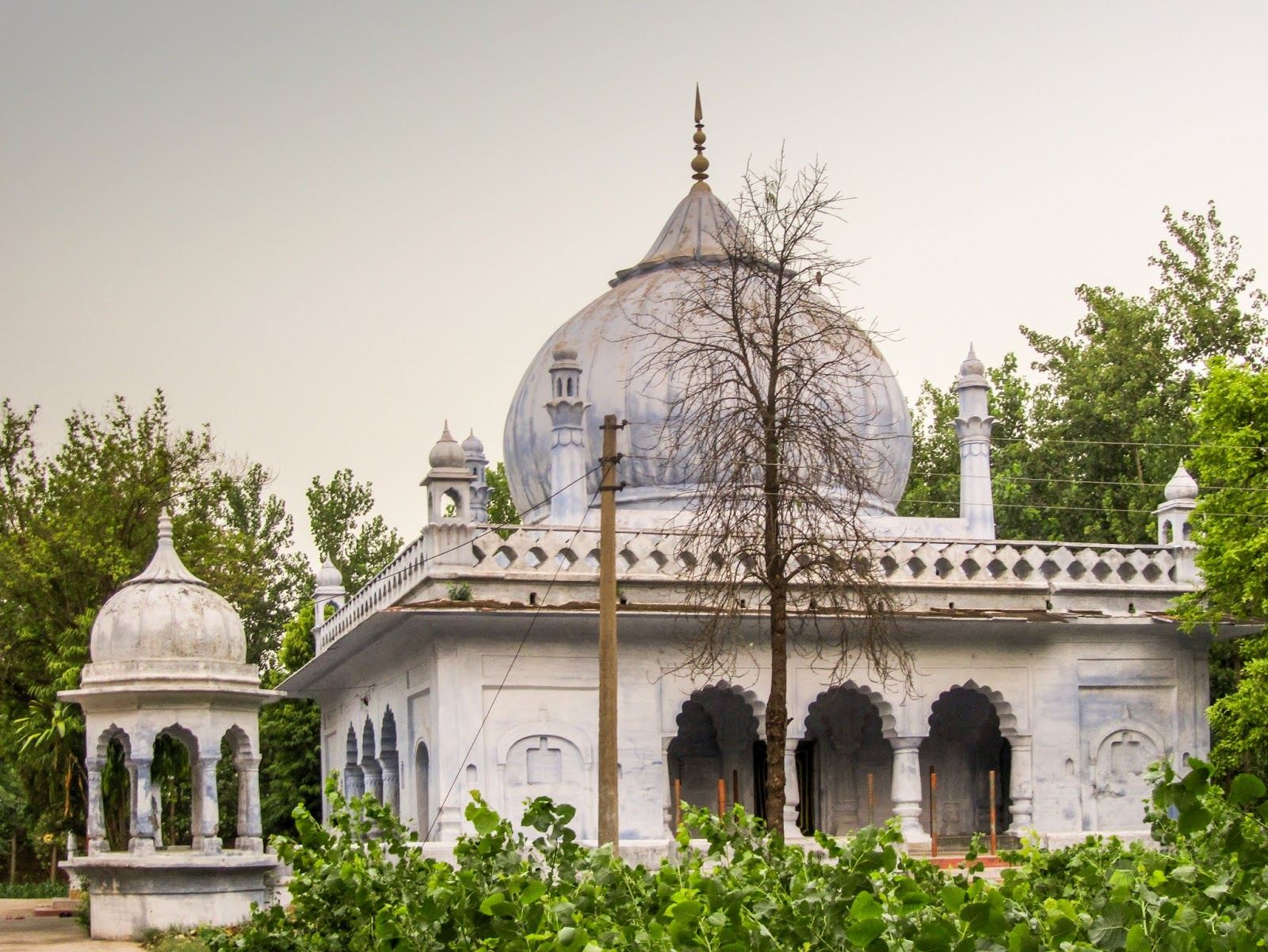
- Dargah — Persian: Sufi shrine open to all faiths, a portal of divine blessing
- Samadhi — Sanskrit: highest meditative state, union of self with universe
- Samadh — the physical tomb of a saint who attained Mahasamadhi
Two Faiths, One Courtyard
The Ashram is a testament to the syncretic culture of the Doab. Within the same brick walls, the Sufi shrine of Shah Baba and a Hindu holy man's Samadh stand side-by-side. A Muslim family tends to both sacred spaces, and villagers of all faiths gather in the courtyard to light incense and pray together.
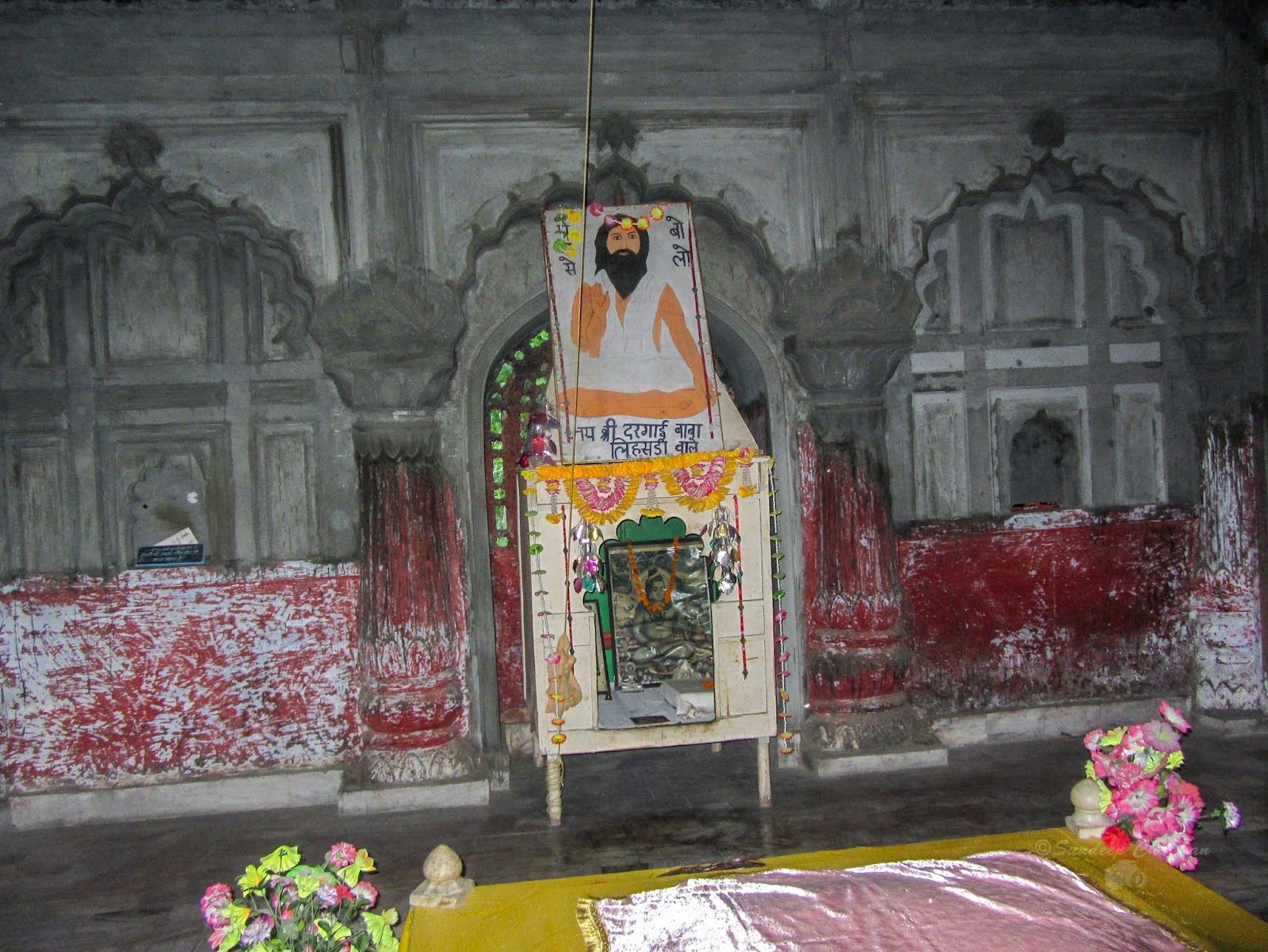
Sacred Doab & Garhmukteshwar
Lishri sits in a historically rich landscape, roughly 18 km south-east of the ancient pilgrimage town of Garhmukteshwar on the banks of the Ganga. Mentioned in the Mahabharata and situated near legendary Hastinapur, Garhmukteshwar is famous for its massive annual Kartik Mela snan (holy bath) where hundreds of thousands gather under the full moon.
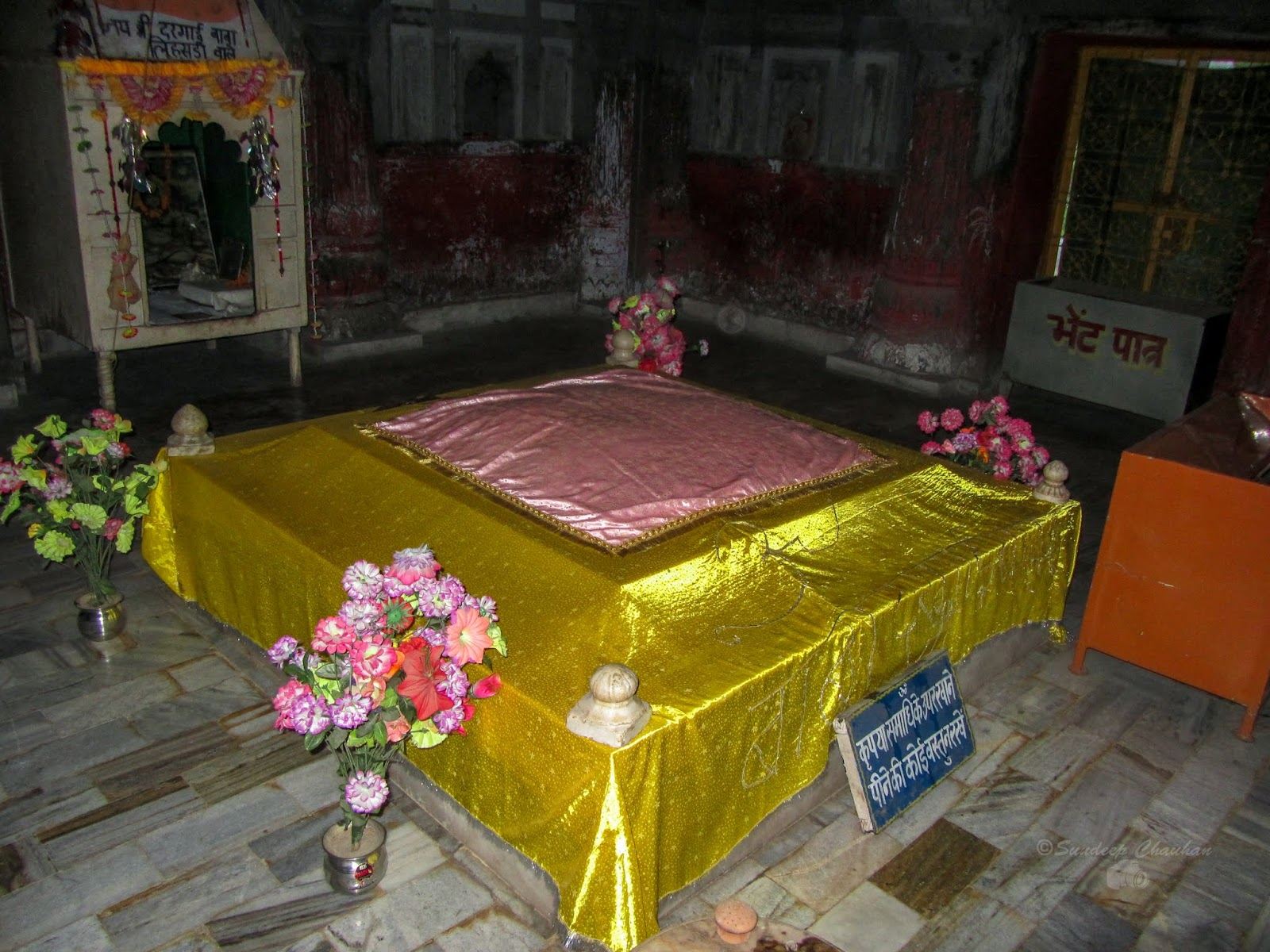
- ~95 km from Delhi via NH-9 / Meerut Road
- Situated on the western bank of the Ganga
- Famous for Kartik Mela — one of UP's largest religious fairs (Oct–Nov)
Constructed by Ghosts?
Lishri's most enduring legend claims that the Ashram's brick walls were raised overnight by spirits. While a myth, it has historically served to consecrate the land, keeping it protected and maintained across generations.
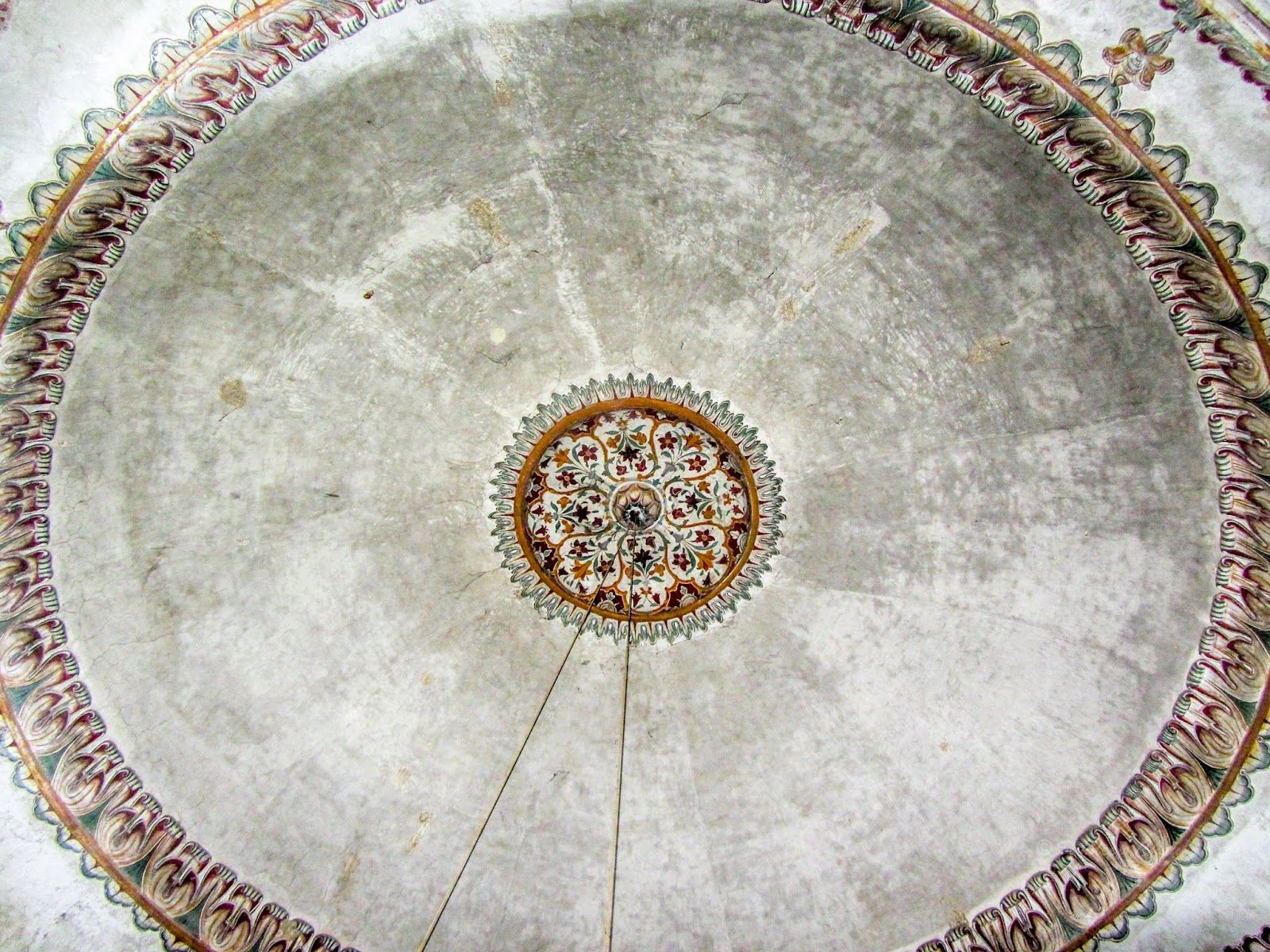
I shot these four frames with a basic compact camera in 2012 — no RAW, no mirrorless, no post-processing finesse. But they remain some of the most meaningful images I have ever made. Not because of their technical quality, but because of what they hold: the light of a specific afternoon, the texture of ancient brick, the particular silence of a holy place in the middle of ordinary fields. My Life. My View. My Way.