Back to Stories
Dargai Shah Baba Ashram, Lishri

Echoes of the Doab:
Dargai Shah Baba Ashram, Lishri

The word Dargah (from Persian) represents a Sufi shrine built over a saint’s grave — a portal of divine blessings (barakah) open to all. Conversely, a Samadh is a Hindu memorial commemorating where a yogi attained Samadhi — the highest meditative state of cosmic union — and consciously departed their physical body (Mahasamadhi).

In my birthplace, the village of Lishri in the fertile Doab region of Uttar Pradesh, these two distinct traditions merge into one at the Dargai Shah Baba Ashram. Returning in 2012 with a simple compact camera, I sought to capture this rare sanctuary where my own roots began.
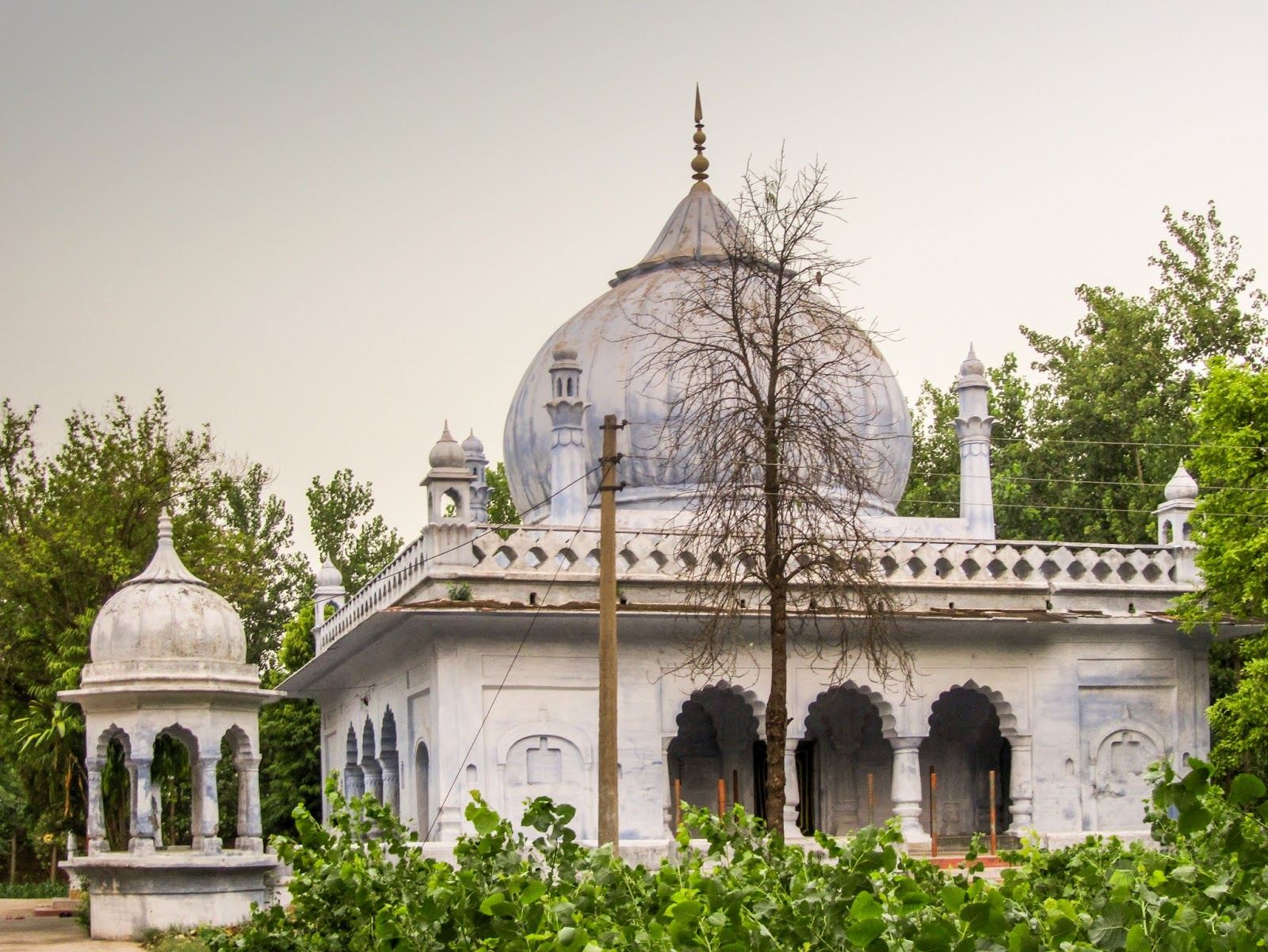
Dargai Shah Baba Ashram Exterior
Dargai Shah Baba Ashram Exterior — brick facade reflecting centuries of local devotion.
 Key Terms at a Glance
  • Dargah — Persian: Sufi shrine open to all faiths, a portal of divine blessing
  • Samadhi — Sanskrit: highest meditative state, union of self with universe
  • Samadh — the physical tomb of a saint who attained Mahasamadhi

Two Faiths, One Courtyard

The Ashram is a testament to the syncretic culture of the Doab. Within the same brick walls, the Sufi shrine of Shah Baba and a Hindu holy man's Samadh stand side-by-side. A Muslim family tends to both sacred spaces, and villagers of all faiths gather in the courtyard to light incense and pray together.
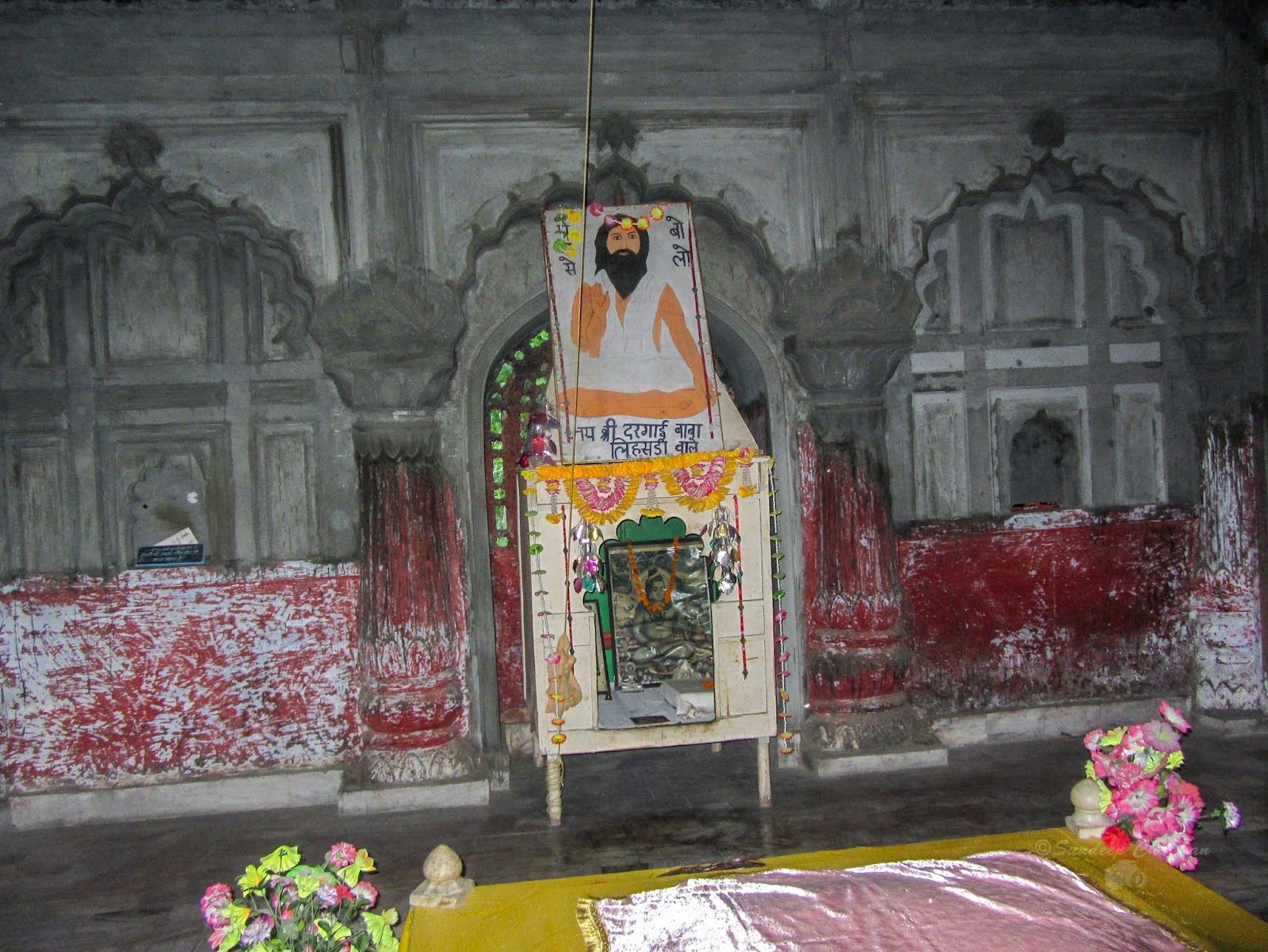
The Sacred Samadh Entrance
The Sacred Samadh Entrance — a place of quiet contemplation within the compound.

Sacred Doab & Garhmukteshwar

Lishri sits in a historically rich landscape, roughly 18 km south-east of the ancient pilgrimage town of Garhmukteshwar on the banks of the Ganga. Mentioned in the Mahabharata and situated near legendary Hastinapur, Garhmukteshwar is famous for its massive annual Kartik Mela snan (holy bath) where hundreds of thousands gather under the full moon.
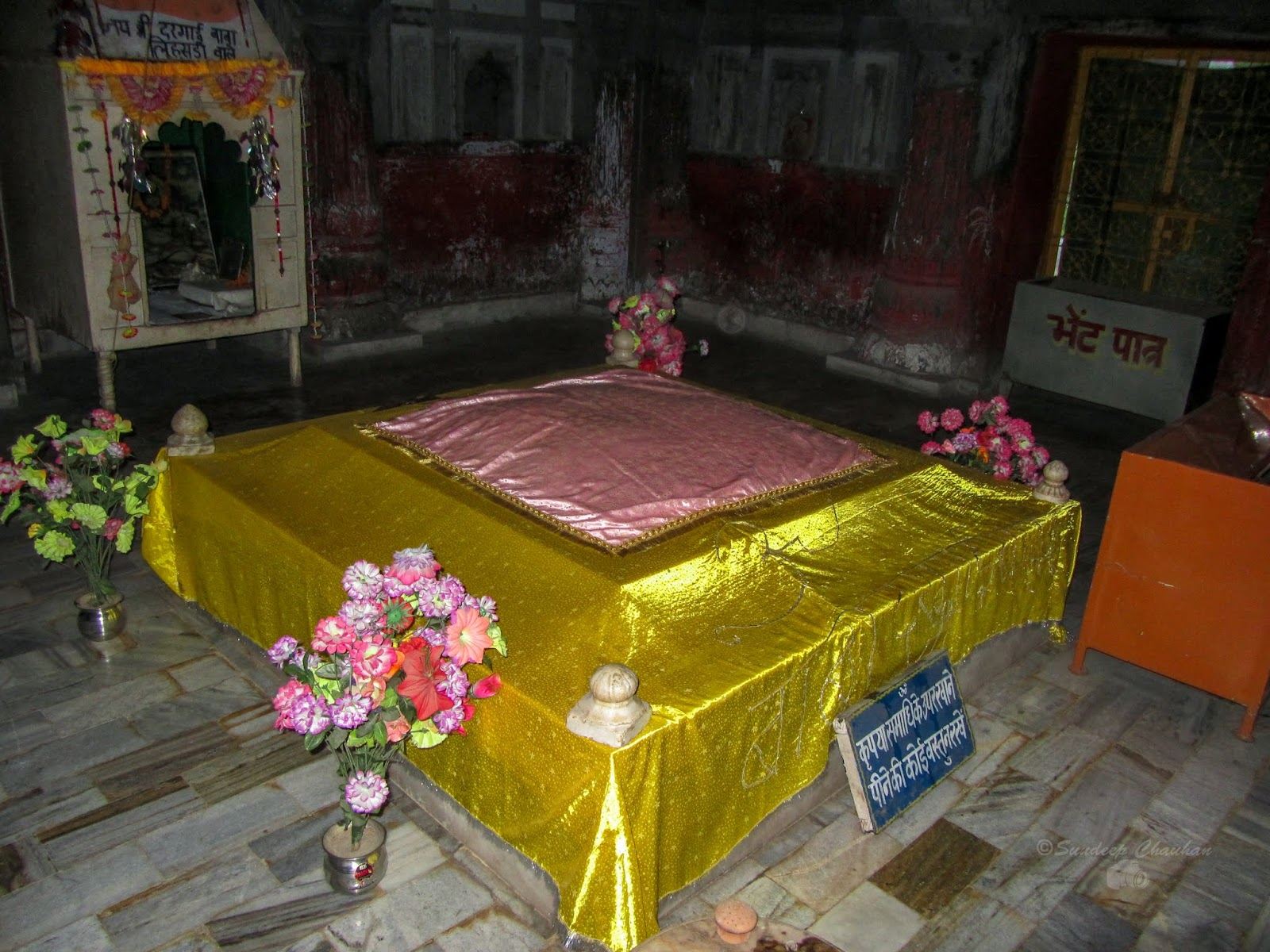
Syncretic Courtyard
Syncretic Courtyard — where two faiths find common ground under the open sky.
 Garhmukteshwar — Quick Facts
  • ~95 km from Delhi via NH-9 / Meerut Road
  • Situated on the western bank of the Ganga
  • Famous for Kartik Mela — one of UP's largest religious fairs (Oct–Nov)

Constructed by Ghosts?

Lishri's most enduring legend claims that the Ashram's brick walls were raised overnight by spirits. While a myth, it has historically served to consecrate the land, keeping it protected and maintained across generations.
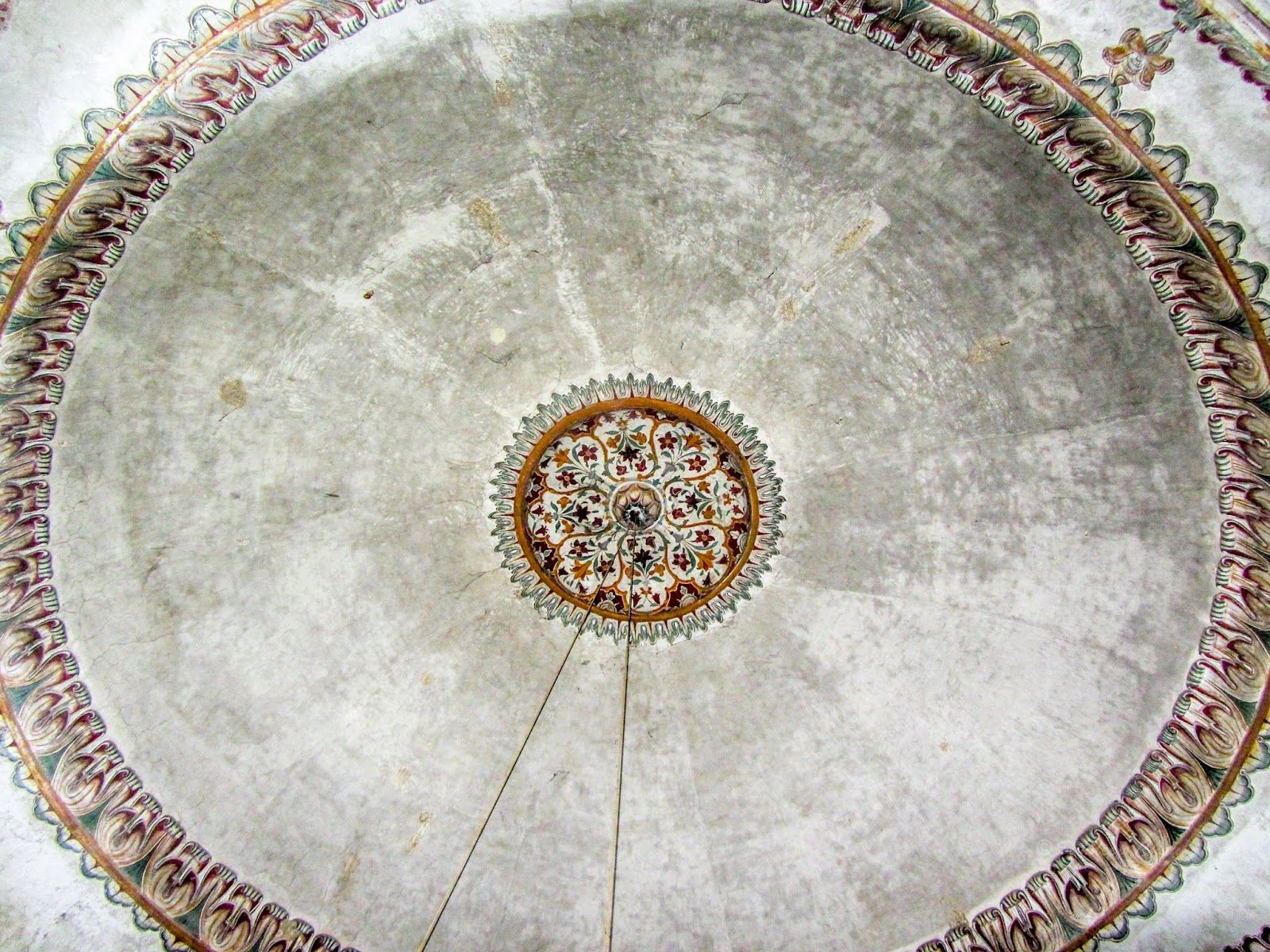
Lishri Village Pathway
Lishri Village Pathway — brick paths leading through the agricultural fields of the Doab.

I shot these four frames with a basic compact camera in 2012 — no RAW, no mirrorless, no post-processing finesse. But they remain some of the most meaningful images I have ever made. Not because of their technical quality, but because of what they hold: the light of a specific afternoon, the texture of ancient brick, the particular silence of a holy place in the middle of ordinary fields. My Life. My View. My Way.

Find It on the Map

Lishri village and Garhmukteshwar — in the heart of the Gangetic Doab, Uttar Pradesh

 Garhmukteshwar, UP

Lishri village is approximately 15–20 km south-east of Garhmukteshwar along local roads.  Open full map

Explore the Region

Nearby Places to Visit

Heritage sites, pilgrimage towns, and hidden gems within striking distance of Lishri village

🛕 ~18 km
Pilgrimage / Heritage
Garhmukteshwar Ghat

One of the holiest Ganga ghats in western UP. The annual Kartik Mela draws hundreds of thousands of pilgrims. The riverbank at dusk — with diyas floating on the Ganga — is unforgettable. Mentioned in the Mahabharata as a place of liberation.

View on Maps
⚔️ ~55 km
Archaeological / Mythological
Hastinapur

The legendary capital of the Kaurava kingdom from the Mahabharata. The Archaeological Survey of India has confirmed ancient settlement layers here. Visit the Pandeshwar Mahadev temple, the Jain tirthas, and the Mahabharata-era ruins. A profoundly underrated heritage destination.

View on Maps
🕌 ~20 km
Town / Bazaar
Hapur Old Town

The district headquarters of Hapur has a vibrant old bazaar with Mughal-era havelis and local craft markets. Known for its metalwork and brass industries. The town serves as the main railhead for exploring this part of the Doab. Good food stops on the highway.

View on Maps
🔱 ~18 km
Temple / Riverfront
Bhootnath Mahadev Mandir

The most significant temple at Garhmukteshwar, perched directly on the Ganga ghat. Dedicated to Lord Shiva in his form as Bhootnath (Lord of Spirits). The Shivling inside is considered self-manifested (swayambhu). The evening aarti on the ghat is a deeply moving spectacle.

View on Maps
🏛️ ~50 km
City / History
Meerut

The historic city of Meerut — site of the first uprising of the 1857 Revolt — is the nearest major city. Visit St. John's Church (1821), the Augarnath Shiva temple where the 1857 revolt has deep connections, and the bustling Sadar Bazaar. Well connected by road and rail from Delhi.

View on Maps
🌾 ~25 km
Industrial Heritage
Simbhaoli Sugar Mills

One of India's oldest sugar mills, established in 1933, still operational. The Simbhaoli mill is a landmark of this region and a reminder of the colonial-era agrarian economy built on Doab's fertile sugarcane fields. The surrounding village and mill area have a distinct industrial-heritage character.

View on Maps
"Living by My Own Design — freezing moments, exploring horizons, and framing faces one shutter click at a time."
— Sundeep Chauhan / Sandys101